A tumor of the jaw is an abnormal growth of tissue that can originate from the bone, soft tissue, or tooth-forming structures within or around the jawbone. These tumors are broadly categorized into benign (non-cancerous) and malignant (cancerous) types. Benign jaw tumors, such as ameloblastoma, ossifying fibroma, odontogenic keratocyst (OKC), and cementoblastoma, are usually slow-growing but may cause significant swelling, facial asymmetry, and functional impairments like difficulty chewing or speaking. Although benign, some of these tumors, like ameloblastoma and OKC, can be locally aggressive and have a high risk of recurrence if not completely removed.
On the other hand, malignant tumors, including osteosarcoma, chondrosarcoma, squamous cell carcinoma, and metastatic tumors, are aggressive and capable of spreading to other parts of the body. They may arise directly from the jawbone or invade it as secondary cancers from other sites.
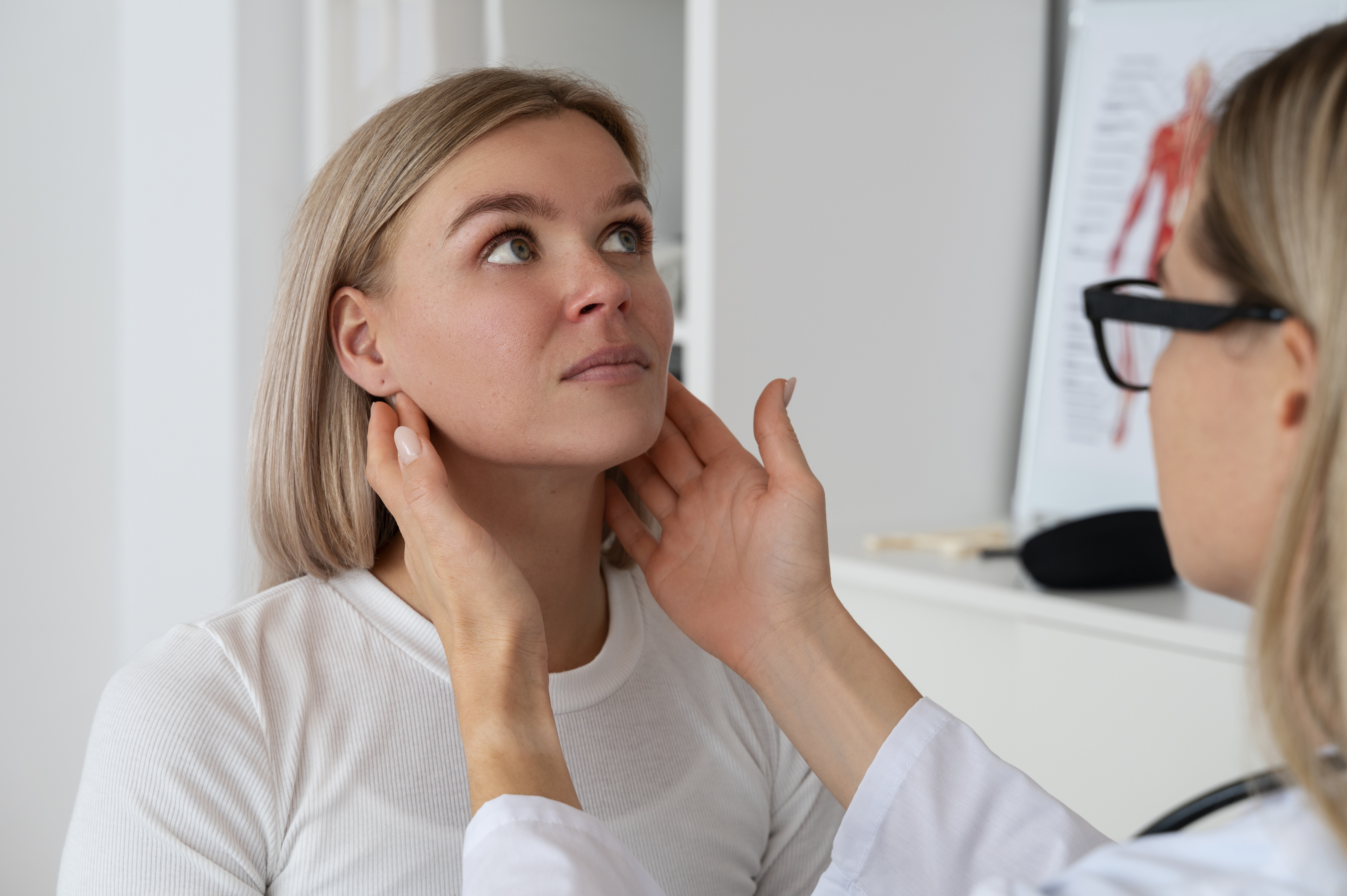
The causes of jaw tumors are varied and may include genetic factors, developmental abnormalities, chronic irritation or inflammation, tobacco and alcohol use, viral infections such as human papillomavirus (HPV), and exposure to radiation.
Symptoms commonly associated with jaw tumors include swelling, a persistent lump in the jaw area, pain, loose teeth, difficulty opening the mouth, numbness or tingling in the lower lip or chin, and facial disfigurement. In some cases, the tumor may initially present as an asymptomatic lesion found during routine dental X-rays.
Diagnosing a jaw tumor typically involves imaging studies such as X-rays, CT scans, or MRI to assess the extent and nature of the lesion. A biopsy is often required to confirm the diagnosis and determine whether the tumor is benign or malignant. Additional tests, such as PET scans or blood work, may be used in cases of suspected malignancy or metastasis.
Dr Mayank Naresh Patil is MDS Oral & Maxillofacial Surgeon and Implantologist, Fellow in Head and Neck Oncology. He has vast experience of more than 10years. Dr Mayank Patil is specialised in surgeries which involve removal of wisdom tooth, dental implants placement, removal of cyst and tumour of jaw, treating facial injuries, jaw fracture, oral cancer management, Tmj issues, esthetic surgery of jaw and sinus infections.

